
English| EUR
Suggested for you
More currencies
Choose a language
Clearwater's river systems offer two distinct rafting experiences that share a name but little else. White water rafting navigates rapids and open channels under daylight, while black water rafting descends into subterranean cave systems on inner tubes. Each demands different gear, skills, and expectations.
Quick answer
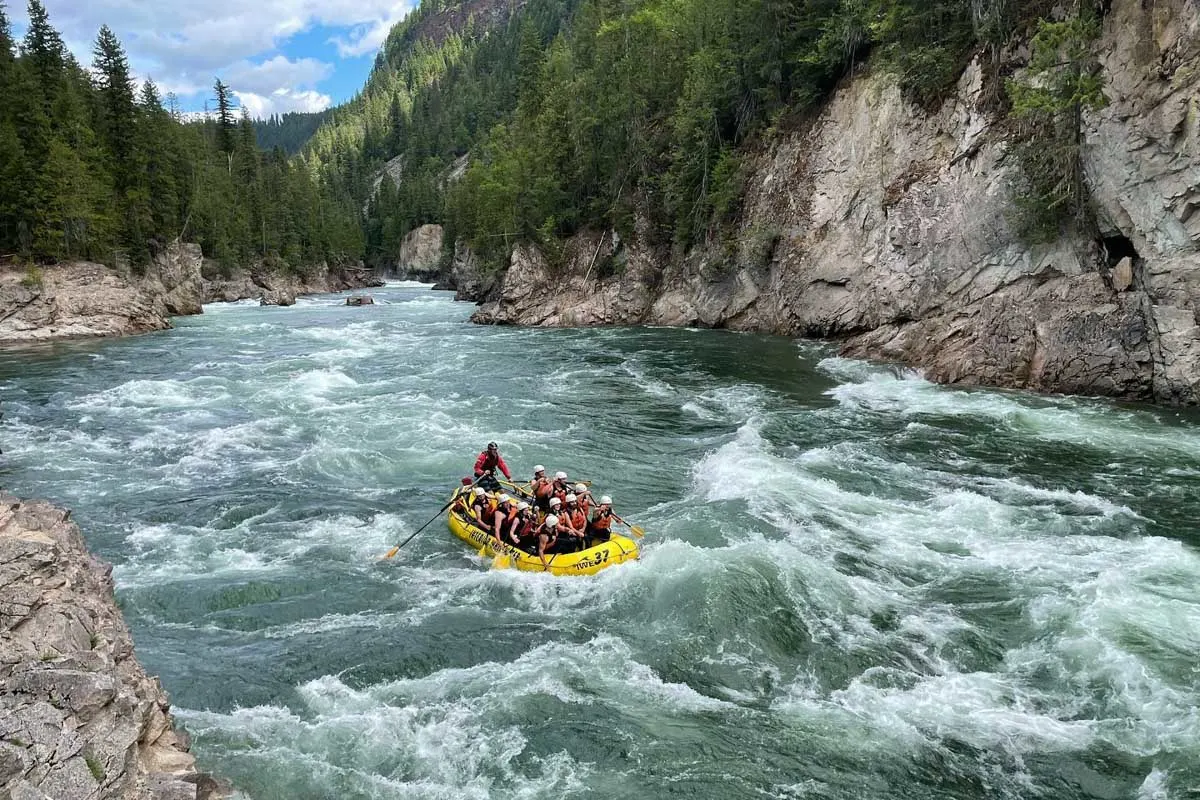
White water rafting navigates rapids on surface rivers using inflatable rafts and paddles, emphasizing teamwork and maneuvering through grades of turbulent water. Black water rafting takes place in underground cave streams on inner tubes or specialized flotation devices, focusing on cave exploration, often in complete darkness with headlamps. White water is an active, daylight sport; black water is a slower, confined underground journey through limestone formations.
The Clearwater River runs through Wells Gray Provincial Park with class II to class IV rapids that draw paddlers from across North America, yet the term "black water rafting" refers to an entirely separate activity born in New Zealand's Waitomo Caves and rarely practiced in British Columbia. The confusion stems from nomenclature: both involve flotation and moving water, but the environments, techniques, and physical demands diverge completely. White water rafting in Clearwater places crews of four to eight paddlers in rigid inflatable rafts, each holding a paddle and following a guide's commands to navigate hydraulics, standing waves, and rock gardens. The Clearwater River's gradient drops steeply through volcanic bedrock, creating technical rapids that require coordinated paddle strokes, weight shifts, and split-second timing. Water temperature hovers near 8°C in spring runoff, warming to 12-15°C by August. Daylight, open air, and the roar of churning rapids define the sensory experience. Participants wear wetsuits, helmets, and personal flotation devices rated for swift water, and trips last two to six hours depending on the section run. Black water rafting, by contrast, involves floating through underground cave systems on inner tubes, often in total darkness except for helmet-mounted lights. Participants enter through cave mouths or vertical drops, then drift along subterranean streams past stalactites, limestone curtains, and glowworm colonies. The water is still or slow-moving, the air temperature cool and humid, and the journey contemplative rather than athletic. New Zealand operators pioneered commercial black water trips in the 1980s; Canada has no equivalent infrastructure in Clearwater or Wells Gray. The term occasionally surfaces in marketing for nighttime river floats, but these remain surface activities, not true cave expeditions. The difference between white water rafting and black water rafting comes down to location and intensity: one is a high-energy river descent under open sky, the other a meditative underground drift. Clearwater specializes in the former, with outfitters operating daily from the Clearwater River access points near Highway 5. The river's glacier-fed flow peaks in June, offering the most powerful rapids, while late summer provides warmer water and clearer visibility. Black water rafting remains a niche pursuit overseas, requiring limestone cave systems with navigable waterways—a geology Clearwater does not possess.
“White water is an active, daylight sport; black water is a slower, confined underground journey through limestone formations.”
Choosing between white water and black water rafting depends on whether you prefer surface-level river navigation or subterranean exploration. Both activities offer distinct environmental experiences in the Clearwater region.
| White Water Rafting River Surface Recommended | Black Water Rafting Subterranean Cave | |
|---|---|---|
| Environment | Open-air river canyon | Underground cave system |
| Typical Setting | Wells Gray Provincial Park | Subterranean passages |
| Water Movement | High-velocity rapids | Calm, flowing streams |
| Light Conditions | Full solar exposure | Artificial light required |
| Primary Objective | Navigating technical river currents | Exploring geological cave features |
Verdict: Select white water rafting for dynamic river challenges, or choose black water rafting for a focused exploration of underground environments.
The period from late June through August offers the most stable conditions for both river-based white water rafting and cave-based black water experiences in the Clearwater region. During these months, warmer temperatures and consistent daylight hours ensure reliable water levels and safer access for these distinct activities.
15°C to 25°C; sunny conditions
High seasonal demand aligns with optimal water temperatures for river and cave environments.
8°C to 18°C; cooling trends
Water levels begin to drop, offering quieter conditions for those who prefer cooler temperatures.
—
Plan to arrive between 09:00 and 14:00 to maximize daylight for your tour.
Verdict: The best window is between 09:00 and 14:00 during the months of July or August.
White water rafting demands flotation gear and physical readiness, while black water rafting requires specialized cave equipment and comfortable wading attire.
Visitor information services for river activities in Clearwater are available seven days a week. These hours support inquiries regarding rafting logistics and area orientation.
Access to the Clearwater River in Wells Gray Provincial Park is free. Costs for white water or black water rafting activities are determined exclusively by the individual tour operators.
Verdict: While river access is free, visitors should expect to pay costs set by private tour operators based on the specific guided rafting package selected.
Everything you need to know about difference between white water rafting and black water rafting
White water rafting involves navigating turbulent, aerated rapids on open rivers, while black water rafting typically takes place in subterranean cave systems with calm, dark waters. The primary difference between white water rafting and black water rafting centers on the environment and the intensity of the water currents encountered. Both offer distinct challenges suited to different adventure preferences.
While white water rafting requires helmets and life jackets for high-energy river rapids, black water rafting often utilizes inner tubes for floating through caves. Understanding the difference between white water rafting and black water rafting helps visitors prepare for either surface-level paddling or cavern navigation. Always check the specific gear requirements provided by your tour operator.
In Clearwater, the Clearwater River in Wells Gray Provincial Park is a premier destination for white water rafting. Subterranean black water rafting is generally not a feature of this specific geography, as the region is known for its glacial-fed surface rivers and waterfalls. Confirm local offerings before planning your itinerary to see if your preferred activity is supported.
When looking at the difference between white water rafting and black water rafting, it is important to note that tour operators manage availability for specific river conditions. Since surface conditions change, booking your rafting excursion well in advance is advised. Check the official site to funnel your request to available local outfitters.
Entrance to the Clearwater River area is 0 CAD, but individual rafting tours are priced separately by independent operators. There is no flat fee difference between white water rafting and black water rafting provided by the park, as costs are determined by the complexity and duration of specific guided excursions. Always verify the current tour pricing through official booking channels.
Choosing between these activities depends on your comfort with light versus dark environments. The difference between white water rafting and black water rafting means one is an outdoor physical workout while the other is a unique exploration of subterranean waterways. Most visitors to Clearwater prioritize the accessible river rapids of Wells Gray.